
Your Complete Flooring Guide
With so many materials available today, it can be difficult to know which type is truly the best fit for your home.
This guide breaks down each major flooring material in a clear, easy-to-understand way, helping you feel confident in your decisions.
Hardwood
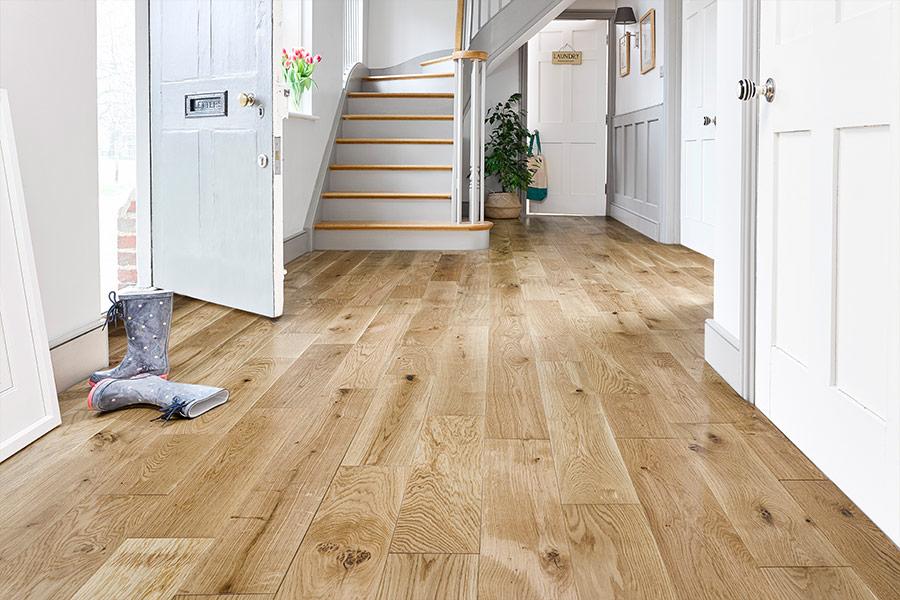
Hardwood is one of the most timeless and premium flooring options available. It’s crafted from natural wood and offers warmth, elegance, and character that only real wood can deliver. There are two primary types: solid hardwood and engineered hardwood, and while they look similar, they perform differently.
Solid hardwood consists of a single piece of wood throughout. Because of its thickness and composition, it can be sanded and refinished many times over its lifespan, allowing homeowners to refresh the look of their floors decades down the line. This makes it an exceptional long-term investment.
Engineered hardwood, on the other hand, is built with a real hardwood veneer layer on top and a stable multi-layered core beneath. This construction makes it more resistant to humidity and temperature changes. It offers the same authentic wood appearance but is often more versatile in modern homes, especially those built on concrete slabs or in climates with seasonal moisture fluctuations.
Hardwood is best suited for living rooms, bedrooms, hallways, and dining rooms — areas where its beauty and warmth can shine. It’s less ideal for bathrooms or basements, where moisture can cause it to warp. With proper care, hardwood can last for generations, and its natural aging only adds to its charm.
Luxury Vinyl Plank
(LVP)
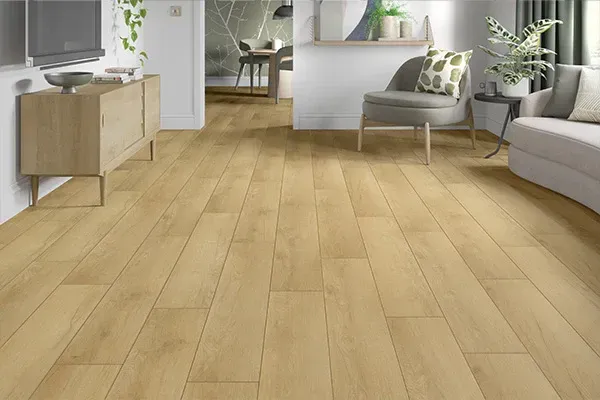
Luxury Vinyl Plank has quickly become one of the most popular flooring options in modern homes — and for good reason. It combines the beauty of wood with exceptional durability, all in a material that is fully waterproof. LVP is engineered from multiple layers of PVC vinyl, topped with a protective wear layer that resists scratches, stains, and daily wear and tear.
Unlike hardwood, LVP will not swell, warp, or buckle when exposed to moisture, making it ideal for kitchens, bathrooms, laundry rooms, and basements. It’s also softer and warmer underfoot compared to traditional tile, and often quieter thanks to built-in underlayment layers that absorb sound.
LVP mimics the look of natural wood with stunning realism, thanks to advanced printing technology and textured surfaces. Homeowners can choose from countless colors, patterns, and plank widths — from rustic farmhouse styles to sleek modern designs.
Installation is straightforward, often using a click-lock floating system that doesn’t require nails or glue. This reduces installation time and makes it easier to replace damaged planks if needed.
Luxury Vinyl Tile
(LVT)
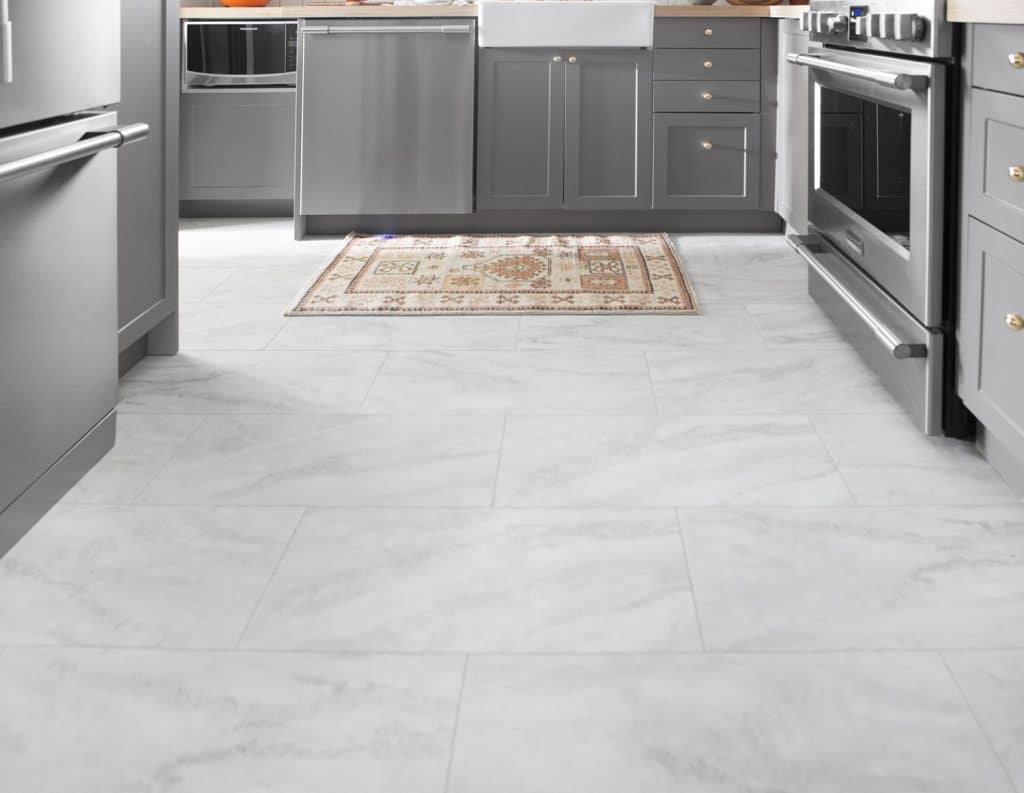
Luxury Vinyl Tile shares many of the same benefits as LVP — durability, waterproofing, and affordability — but provides a different aesthetic. LVT is designed to replicate the look of stone, ceramic, or porcelain tile while offering a warmer, more comfortable feel underfoot.
Because LVT tiles are often installed with small grout lines, they give the appearance of real stone without the coldness or hardness. This makes LVT an excellent choice for homeowners who want the visual appeal of tile but prefer something more forgiving physically.
LVT performs exceptionally well in high-moisture and high-traffic areas. Bathrooms, entryways, mudrooms, and kitchens all benefit from its slip resistance, easy cleaning, and durability. Unlike real tile, LVT won’t crack on impact, and it’s less likely to chip over time.
Laminate
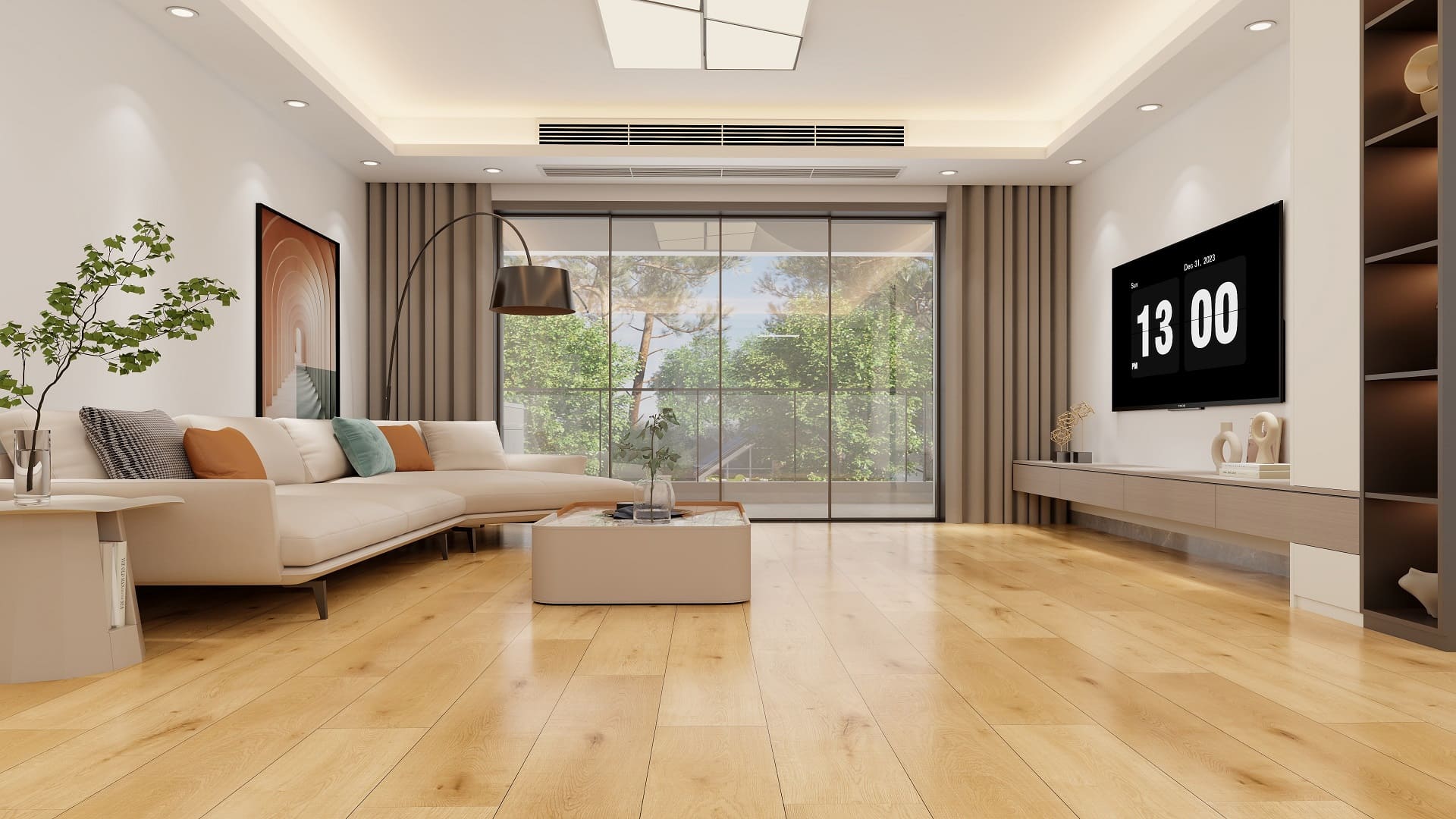
Laminate flooring is a practical and affordable alternative for homeowners who want the appearance of wood without the higher price point. Laminate is made by fusing multiple layers together — including a photographic layer that imitates real wood and a wear layer that protects against scratches and stains.
It’s particularly popular in households with children or pets due to its resilience. Modern laminate products often include moisture-resistant technology, though they’re still better suited for living rooms, bedrooms, and hallways than for bathrooms or areas with standing water.
Laminate installs as a floating floor, similar to LVP, which allows for quick installation and easy replacement. It’s available in a wide variety of colors, styles, and finishes, allowing homeowners to achieve the look they want at a more accessible cost.
Tile
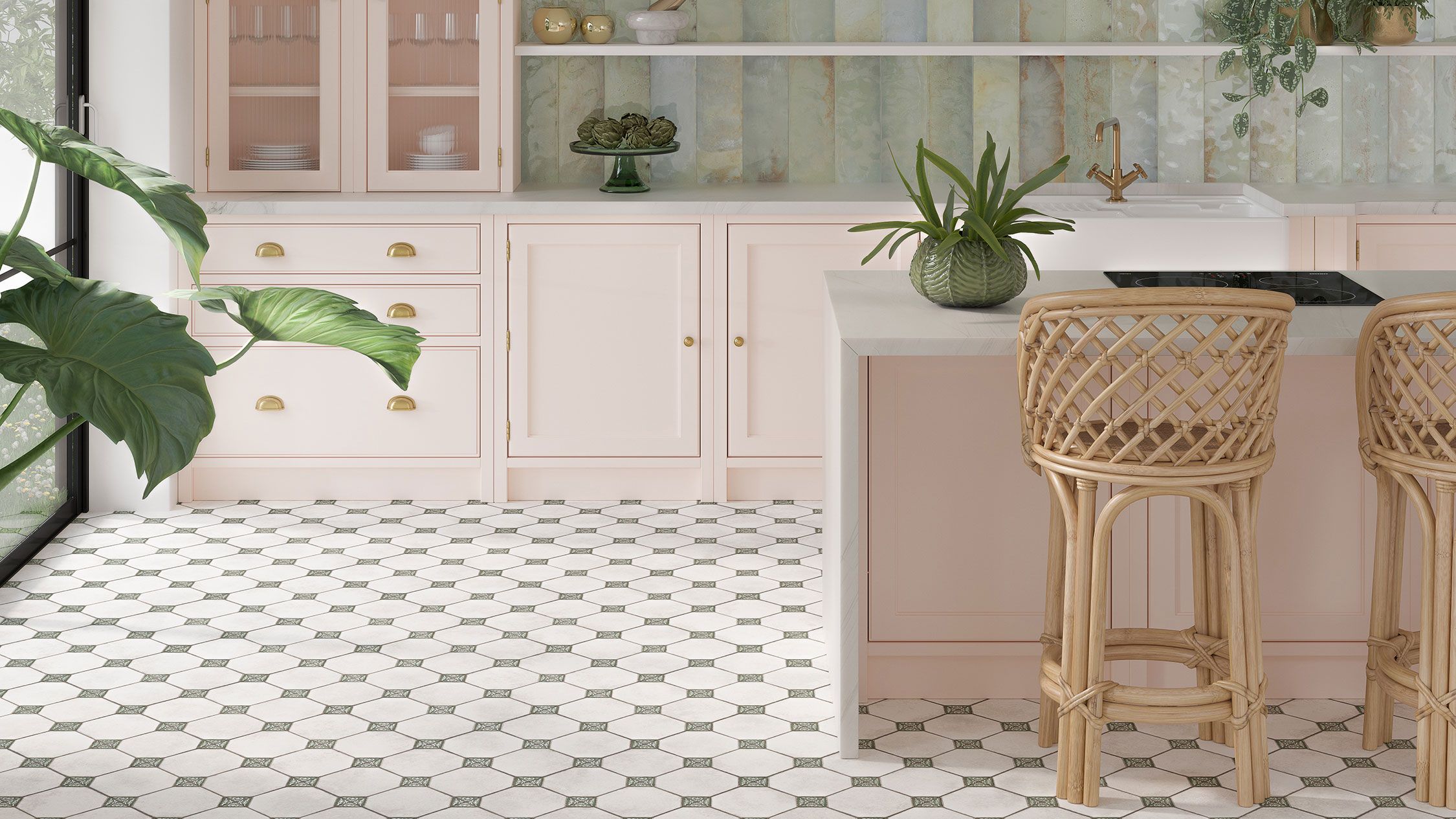
Tile floors — whether ceramic, porcelain, or natural stone — are some of the most durable and long-lasting surfaces available. They are extremely resistant to water and stains, making them the preferred choice for bathrooms, kitchens, laundry rooms, and entryways.
Porcelain tiles are denser than ceramic and tend to be more durable, while ceramic tiles offer a balance of durability and affordability. Natural stone tiles like marble, slate, or travertine deliver a premium, luxurious appearance but typically require more maintenance to preserve their beauty.
Tile installation is more labor-intensive and involves precise leveling, mortar, and grout. But once installed, the result is a floor that can last for decades with minimal upkeep. Tile is also highly customizable — available in countless shapes, sizes, patterns, and textures.
Carpet
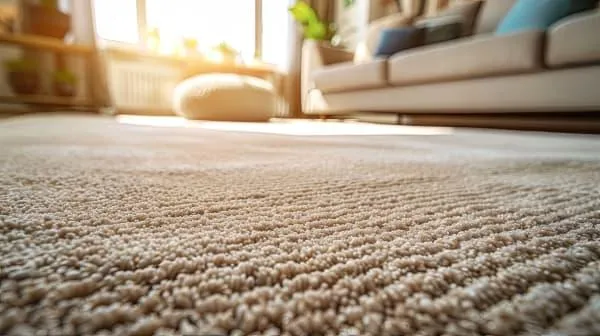
Carpet brings comfort, warmth, and softness to any room. It’s an excellent option for bedrooms, family rooms, home theaters, and stairs, where a quiet and cozy environment is desired. Carpet also provides insulation benefits, helping maintain comfortable temperatures and reduce noise between floors.
There are numerous carpet materials available, from budget-friendly polyester to high-performance nylon and premium wool. Homeowners can choose from textures like plush, berber, or patterned designs depending on their preferences.
Carpet does require more maintenance than hard-surface floors, as it can absorb stains and trap dust. However, with proper cleaning, it can remain fresh, comfortable, and attractive for many years.

*Average Rating
"We had tile put in the bathroom. I don’t have a big dramatic story - it was just… great. Really great. They showed up when they promised, did the job right, answered questions without making me feel stupid, and the tile looks clean, even and beautiful!
Honestly that's all I wanted."
Brian T. - 19 Sep 2025
PAGES
© Copyright 2026. FLOOR REPLACEMENT NETWORK. All Rights Reserved.
Your Complete Flooring Guide.
With so many materials available today, it can be difficult to know which type is truly the best fit for your home.
This guide breaks down each major flooring material in a clear, easy-to-understand way, helping you feel confident in your decisions.
Trusted By 240,000+ Homeowners
Hardwood
Hardwood is one of the most timeless and premium flooring options available. It’s crafted from natural wood and offers warmth, elegance, and character that only real wood can deliver. There are two primary types: solid hardwood and engineered hardwood, and while they look similar, they perform differently.
Solid hardwood consists of a single piece of wood throughout. Because of its thickness and composition, it can be sanded and refinished many times over its lifespan, allowing homeowners to refresh the look of their floors decades down the line. This makes it an exceptional long-term investment.
Engineered hardwood, on the other hand, is built with a real hardwood veneer layer on top and a stable multi-layered core beneath. This construction makes it more resistant to humidity and temperature changes. It offers the same authentic wood appearance but is often more versatile in modern homes, especially those built on concrete slabs or in climates with seasonal moisture fluctuations.
Hardwood is best suited for living rooms, bedrooms, hallways, and dining rooms — areas where its beauty and warmth can shine. It’s less ideal for bathrooms or basements, where moisture can cause it to warp. With proper care, hardwood can last for generations, and its natural aging only adds to its charm.
Luxury Vinyl Plank
(LVP)
Luxury Vinyl Plank has quickly become one of the most popular flooring options in modern homes — and for good reason. It combines the beauty of wood with exceptional durability, all in a material that is fully waterproof. LVP is engineered from multiple layers of PVC vinyl, topped with a protective wear layer that resists scratches, stains, and daily wear and tear.
Unlike hardwood, LVP will not swell, warp, or buckle when exposed to moisture, making it ideal for kitchens, bathrooms, laundry rooms, and basements. It’s also softer and warmer underfoot compared to traditional tile, and often quieter thanks to built-in underlayment layers that absorb sound.
LVP mimics the look of natural wood with stunning realism, thanks to advanced printing technology and textured surfaces. Homeowners can choose from countless colors, patterns, and plank widths — from rustic farmhouse styles to sleek modern designs.
Installation is straightforward, often using a click-lock floating system that doesn’t require nails or glue. This reduces installation time and makes it easier to replace damaged planks if needed.
Luxury Vinyl Tile
(LVT)
Luxury Vinyl Tile shares many of the same benefits as LVP — durability, waterproofing, and affordability — but provides a different aesthetic. LVT is designed to replicate the look of stone, ceramic, or porcelain tile while offering a warmer, more comfortable feel underfoot.
Because LVT tiles are often installed with small grout lines, they give the appearance of real stone without the coldness or hardness. This makes LVT an excellent choice for homeowners who want the visual appeal of tile but prefer something more forgiving physically.
LVT performs exceptionally well in high-moisture and high-traffic areas. Bathrooms, entryways, mudrooms, and kitchens all benefit from its slip resistance, easy cleaning, and durability. Unlike real tile, LVT won’t crack on impact, and it’s less likely to chip over time.
Laminate
Laminate flooring is a practical and affordable alternative for homeowners who want the appearance of wood without the higher price point. Laminate is made by fusing multiple layers together — including a photographic layer that imitates real wood and a wear layer that protects against scratches and stains.
It’s particularly popular in households with children or pets due to its resilience. Modern laminate products often include moisture-resistant technology, though they’re still better suited for living rooms, bedrooms, and hallways than for bathrooms or areas with standing water.
Laminate installs as a floating floor, similar to LVP, which allows for quick installation and easy replacement. It’s available in a wide variety of colors, styles, and finishes, allowing homeowners to achieve the look they want at a more accessible cost.
Tile
Tile floors — whether ceramic, porcelain, or natural stone — are some of the most durable and long-lasting surfaces available. They are extremely resistant to water and stains, making them the preferred choice for bathrooms, kitchens, laundry rooms, and entryways.
Porcelain tiles are denser than ceramic and tend to be more durable, while ceramic tiles offer a balance of durability and affordability. Natural stone tiles like marble, slate, or travertine deliver a premium, luxurious appearance but typically require more maintenance to preserve their beauty.
Tile installation is more labor-intensive and involves precise leveling, mortar, and grout. But once installed, the result is a floor that can last for decades with minimal upkeep. Tile is also highly customizable — available in countless shapes, sizes, patterns, and textures.
Carpet
Carpet brings comfort, warmth, and softness to any room. It’s an excellent option for bedrooms, family rooms, home theaters, and stairs, where a quiet and cozy environment is desired. Carpet also provides insulation benefits, helping maintain comfortable temperatures and reduce noise between floors.
There are numerous carpet materials available, from budget-friendly polyester to high-performance nylon and premium wool. Homeowners can choose from textures like plush, berber, or patterned designs depending on their preferences.
Carpet does require more maintenance than hard-surface floors, as it can absorb stains and trap dust. However, with proper cleaning, it can remain fresh, comfortable, and attractive for many years.
*Average Rating
"We had tile put in the bathroom. I don’t have a big dramatic story - it was just… great. Really great. They showed up when they promised, did the job right, answered questions without making me feel stupid, and the tile looks clean, even and beautiful!
Honestly that's all I wanted."
Brian T. - 19 Sep 2025
PAGES
© Copyright 2026. FLOOR REPLACEMENT NETWORK. All Rights Reserved.